About the Project
The Pawsitive Impact project, organized by the Rotaract Club of ICBT, was successfully carried out on 9th November 2025 in Dehiwala. This meaningful community service initiative was designed to address the pressing welfare needs of street animals while also reminding society of its shared responsibility to create a kinder and more humane environment for all living beings.
In many urban areas, stray dogs and cats face daily struggles such as hunger, dehydration, neglect and unsafe living conditions. These issues not only affect the animals themselves, but also connect with wider concerns such as public health, environmental hygiene and community wellbeing. Recognizing these challenges, the project focused on direct action that could create both immediate relief and long-term awareness.
How the Initiative Was Carried Out
A dedicated team of seven Rotaractors actively participated in this initiative from 1.00 p.m. to 5.00 p.m., beginning their journey from Dehiwala Railway Station. Before starting, the volunteers were briefed on feeding routes, safety measures and the best approach to ensure both effective service and responsible conduct throughout the activity.
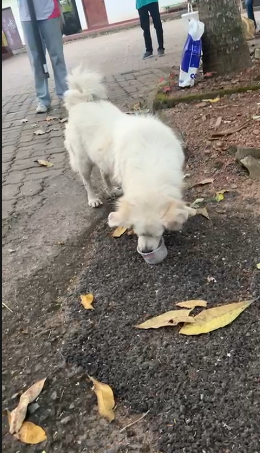
Volunteers visited selected locations known for a high presence of street animals and distributed food and clean water with care and consistency. In addition to helping the animals directly, they also ensured that each feeding location was left clean and free from waste. This reflected the project’s commitment not only to animal welfare, but also to environmental responsibility and public convenience.
Impact on the Community
The project directly benefited over 45 street animals, helping reduce the immediate risks associated with hunger and dehydration. However, the impact extended beyond that number. Pawsitive Impact also encouraged members of the public to reflect on how everyday actions can help build a more caring and balanced urban environment.
Local community engagement played an important role in strengthening this message. Conversations with residents helped raise awareness that caring for animals is not just the duty of a few people, but a collective social responsibility. Humane treatment of animals contributes to cleaner public spaces, healthier neighborhoods and stronger social consciousness.
By combining practical service with awareness building, this initiative aligned with important humanitarian and development priorities. It reflected values connected to Disease Prevention and Treatment, Supporting the Environment, and Community Economic Development. It also contributed toward broader goals related to good health and wellbeing, sustainable cities and communities and life on land.
Conclusion
Overall, Pawsitive Impact stood as a strong example of how a focused service project can create immediate relief while also inspiring long-term positive change. Through food, water, awareness and responsible action, the Rotaract Club of ICBT demonstrated that compassion is not just an emotion, but a force that can strengthen community wellbeing and encourage more ethical coexistence.
This initiative reminded everyone involved that true service goes beyond temporary support. It plants values, builds awareness and inspires responsibility. Pawsitive Impact was more than a project title—it was a reflection of the difference that young leaders can make when they act with empathy, purpose, and commitment.